
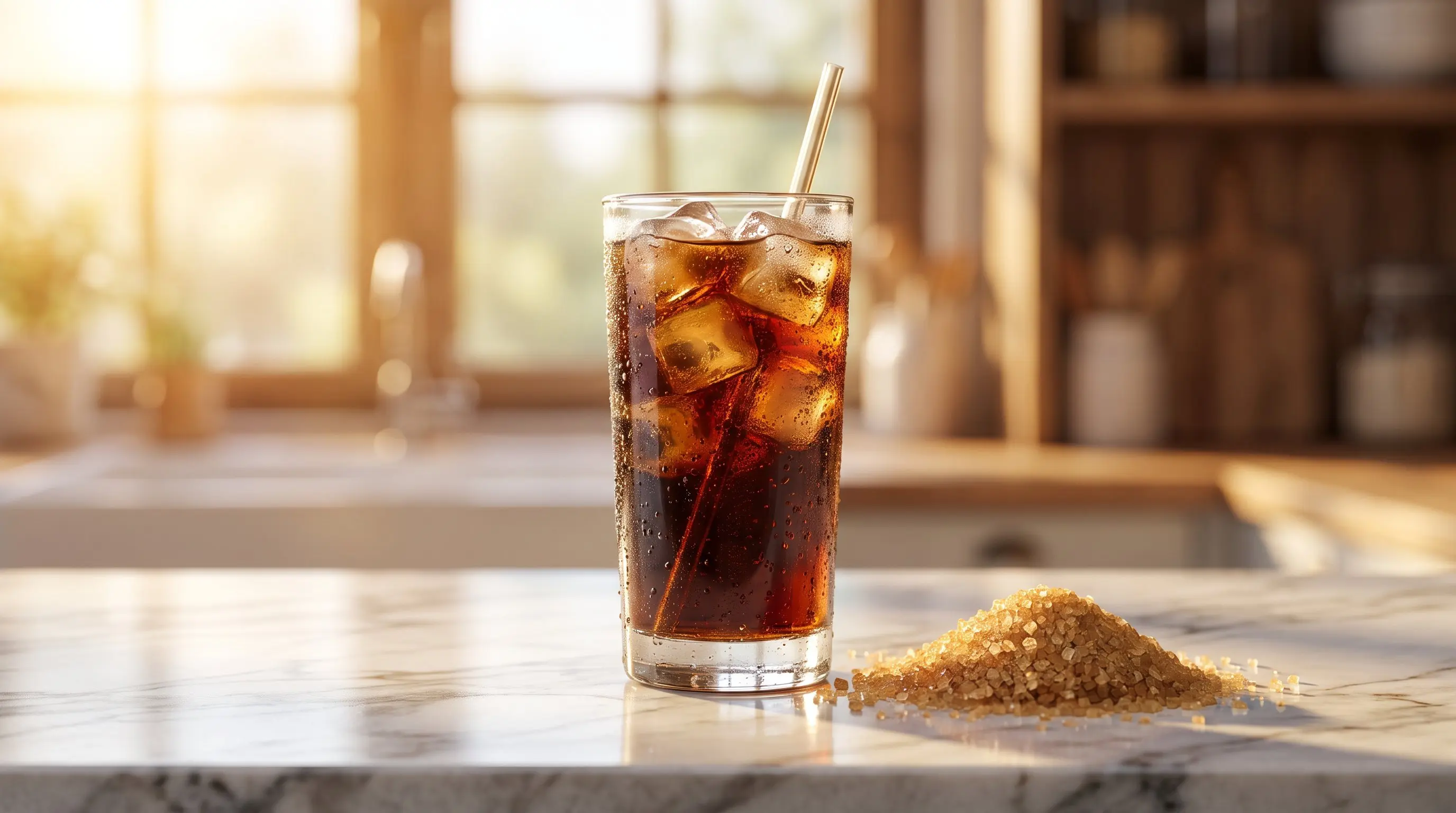
Ask any market owner in Los Angeles which question they hear most at the cooler and you will get the same answer: “Do you have the one with real sugar?” It used to be a niche request from people chasing Mexican glass bottles. Now it comes from everyone, and it comes with a willingness to pay a little more. That makes the sweetener question a merchandising question, not a trivia question. This guide covers what actually changes when a soda is sweetened with cane sugar instead of high fructose corn syrup, which of the brands we carry make the switch, and how to put them to work in your cooler.
Stocking a cooler now? Browse the wholesale soda catalog or the full range, or tell us your concept and we will draft a cane sugar lineup for you.
The two sweeteners, in plain terms
Cane sugar is sucrose: one glucose unit and one fructose unit bonded together, crystallized from sugar cane. High fructose corn syrup is made from corn starch that has been broken into glucose, then partly converted so the mix comes out at roughly 55 percent fructose and 42 percent glucose for the version used in soda. Nutritionally the two land in nearly the same place per ounce. The FDA’s own page on high fructose corn syrup is blunt about that, and it is worth reading before you let a customer tell you one is a health food.
So why does the argument exist at all? Because the two sweeteners behave differently in the glass. Sucrose is a bonded molecule that dissolves and sits cleanly in the drink. Corn syrup arrives as free glucose and fructose, and free fructose tastes sweeter earlier on the tongue and lingers longer. That is the whole story behind the “cleaner finish” people describe. It is not a myth and it is not magic. It is the shape of the sweetness.
What changes in the glass
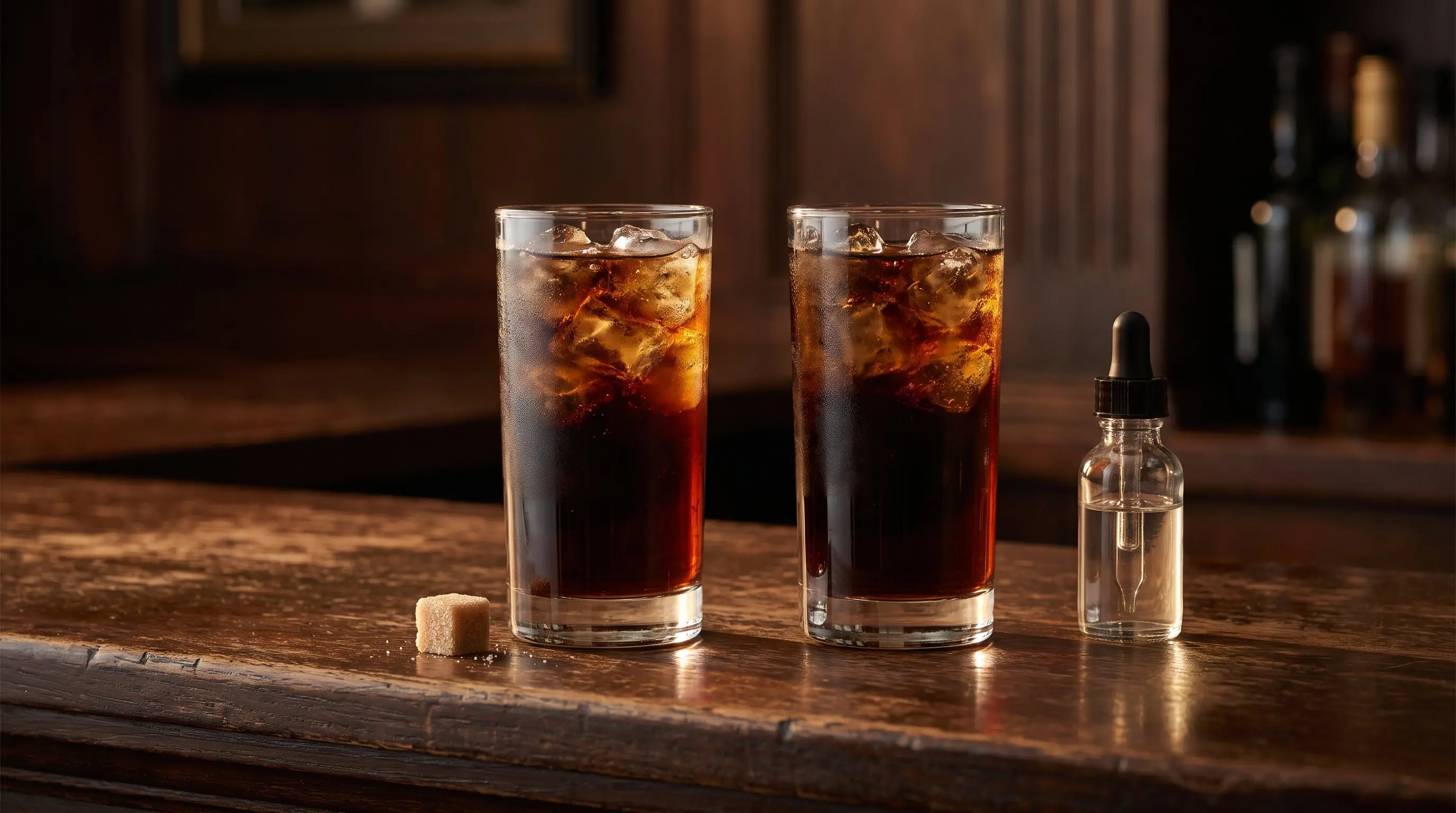
Here is what you can honestly tell a customer, based on what shows up in a blind pour rather than the label copy.
- The finish. Cane sugar sodas end sooner. The sweetness fades and the flavor is what is left. Corn syrup sodas stay sweet on the tongue after the flavor has gone.
- The flavor comes through. Citrus oils, spice, cherry, ginger. With sucrose those notes read cleanly. With free fructose out front they sit behind the sweetness.
- The mouthfeel. Corn syrup versions tend to read a little heavier and more coating. Cane sugar versions read brighter, which is why they pair so well with food.
- The fizz. Not a chemistry effect, but glass bottle cane sugar sodas are usually carbonated harder and served colder, so the whole experience is sharper.
What does not change: the calories, the sugar grams, and the CRV on the bottle. If a customer wants a lower sugar drink, cane sugar is not the answer. Point them at the diet and zero lines or at the prebiotic sodas instead.
The cane sugar brands on our shelves
We carry more than two thousand items out of our South Los Angeles warehouse, and a good chunk of the soda wall is sweetened with real sugar. These are the ones that move.
- Jarritos. Mexico’s fruit soda in the glass bottle, made with real sugar. Mandarin, tamarind, strawberry and the rest. The single most requested cane sugar line in Los Angeles.
- Sidral Mundet. The Mexican apple soda that has been around since 1902. Sugar sweetened, gentle, sells to families.
- Boylan Bottling Co.. Cane sugar craft sodas and mixers from New Jersey. Heritage tonic, lemon, and the classic root beer. The bottle looks like it belongs on a bar.
- Bundaberg. The Australian brewed ginger beer, cane sugar and a real brew. Ask for the passionfruit and the ginger beer.
- Purely Cane Soda Co. If you run a fountain, this is the cane sugar answer for the bag in box. Cola, root beer, ginger brew, lemon lime and more, sweetened with cane sugar, in the five gallon box your fountain already takes. See the fountain drinks category.
Always check the ingredient panel on the specific SKU. A few brands make both versions, and a few change formulas by market. When in doubt, the words “cane sugar” or “sugar” will be near the top of the ingredient list, and “high fructose corn syrup” will be spelled out in full if it is in there.
How to merchandise the difference
The mistake we see most often is a cane sugar bottle buried between two national brand cans at the same price. Nobody notices it, so it does not sell, so the owner concludes nobody wants it. Three fixes that cost nothing.
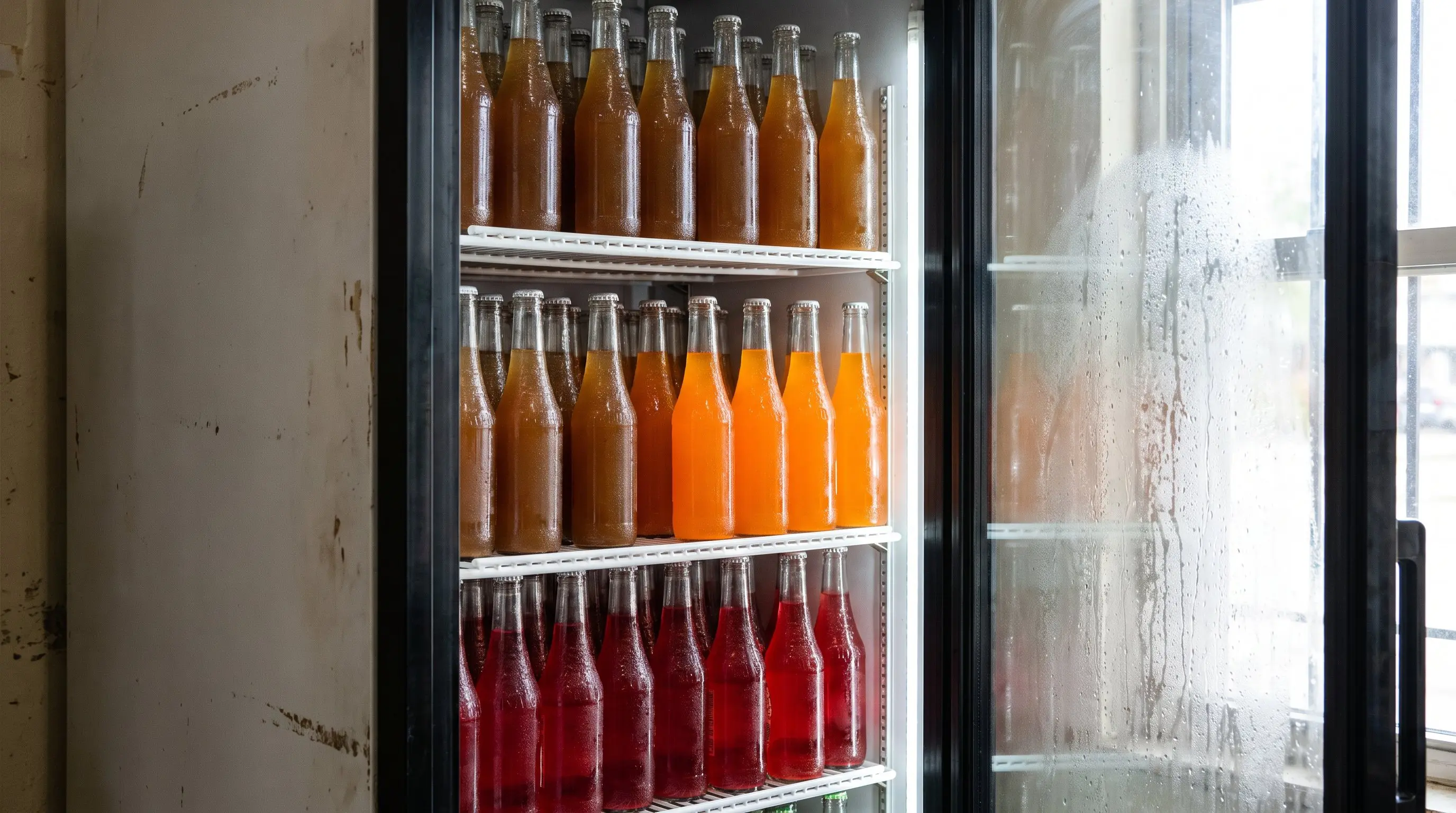
First, give real sugar its own shelf strip or its own cooler door section, with the glass bottles faced together. Glass sells glass. A row of Jarritos, Sidral and Boylan next to each other reads as a category, and customers who came for one leave with two.
Second, price with intent. Cane sugar glass costs more per unit than a can of the national brand, and it should retail for more. The customers asking for it are not price shopping the same way. A 12 ounce glass bottle at a dollar above the can is normal in Los Angeles, and the margin is better on both a percentage and a dollars per facing basis.
Third, tell the story in four words. A shelf talker that says “made with real sugar” does more than a paragraph. The customer already knows what it means. You are only confirming that this is the bottle they were looking for.
Where it works best by store type
- Taquerias and Mexican restaurants. Jarritos, Sidral and Mexican mineral water are not optional here, they are expected. Serve them in the bottle with a glass of ice.
- Corner markets and liquor stores. A cane sugar door near the register outsells the same bottles hidden in the back. Impulse loves glass.
- Bars. Boylan tonic and ginger beer make the well drinks taste like craft cocktails. Bartenders notice the finish before customers do.
- Restaurants with a fountain. Purely Cane syrups let you say “real cane sugar” on the fountain without changing equipment.
- Offices and gyms. Less relevant. Those accounts lean toward water, hydration and energy, which we cover in the sports and hydration section.
The honest limits of the argument
A few things to keep straight so you never oversell it. Cane sugar soda is not lower in sugar. It is not “natural” in any regulated sense. The difference is real but modest, and plenty of people cannot tell the two apart in a blind test, especially with heavily flavored sodas. Where the difference is most obvious is in clean flavors: cola, lemon lime, ginger ale, tonic. Where it is least obvious is in very sweet fruit flavors served very cold.
The reason to stock it anyway is simple. The customer is already asking for it by name, the glass bottle carries a premium, and the brands that use real sugar tend to be the same brands that put more care into the flavor itself. You are not selling a sweetener. You are selling the bottle people came in for.
Frequently asked questions
Is cane sugar soda healthier than corn syrup soda?
No. The sugar content and calories per ounce are essentially the same. The difference is taste and finish. If a customer wants less sugar, point them to diet, zero sugar or prebiotic options.
Which of your sodas are made with real sugar?
Jarritos, Sidral Mundet, Boylan Bottling Co., Bundaberg and the Purely Cane fountain syrups are the core of it, with more scattered through the soda catalog. Check the ingredient panel on the specific product page, because a few brands make both versions.
Should I charge more for cane sugar glass bottles?
Yes. They cost more per unit, they carry a premium in the customer’s mind, and the glass bottle format is part of what they are paying for. A dollar over the equivalent can is normal in Los Angeles.
Does cane sugar soda have CRV?
Yes. CRV applies to the container, not the sweetener. Every bottle and can we sell is itemized with its CRV on the invoice so your shelf pricing can carry it correctly.
Can I get cane sugar soda for a fountain?
Yes. Purely Cane Soda Co. syrups are bag in box, sweetened with cane sugar, and run on standard fountain equipment. They are in the fountain drinks category with the rest of the syrups.
Ready to build the real sugar section? The full wholesale catalog is open, local orders around Los Angeles ride on our own trucks, and if you want a starting lineup for your store type, reach out and we will put one together.