
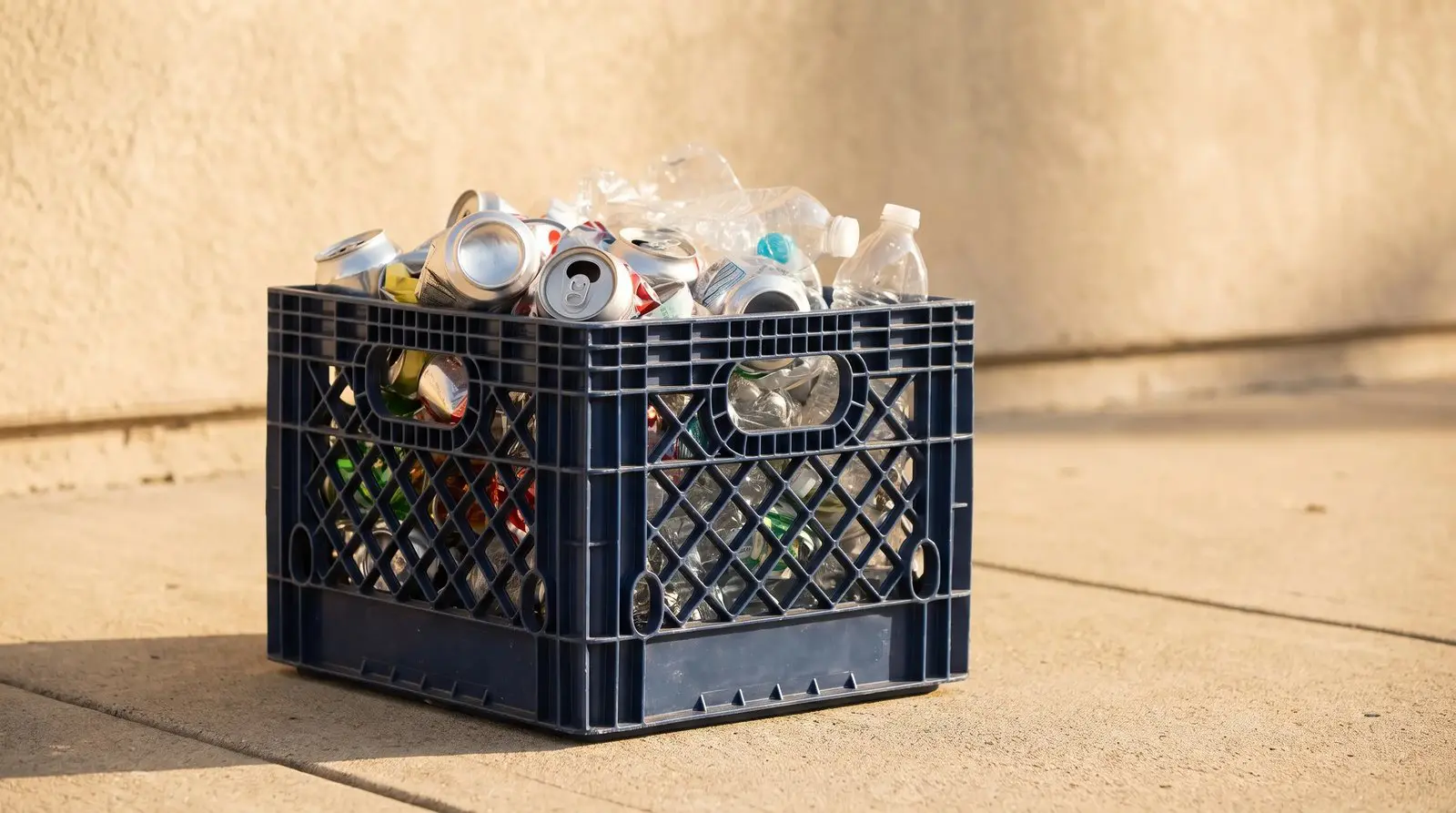
If you sell beverages in California, CRV is part of your life whether you ever think about it or not. It sits on your wholesale invoices, it belongs in your shelf prices, and it is one of the first things that looks wrong when a new store owner compares a distributor invoice to a club store receipt. This guide is the working version for retailers: what CRV is, the current numbers, what you are actually required to do, and the mistakes we see in real stores, without the legalese.
We handle CRV line items every day for hundreds of retail accounts across Los Angeles, so this is written from the invoice side, not the law library side. One honest note up front: this is general information, not legal or tax advice, and the authoritative source is always CalRecycle.
Stocking a store in California? Every eligible item in our wholesale catalog has CRV itemized right on your invoice, so your paper trail builds itself. Open a wholesale account to see pricing.
What CRV is, and what it is not
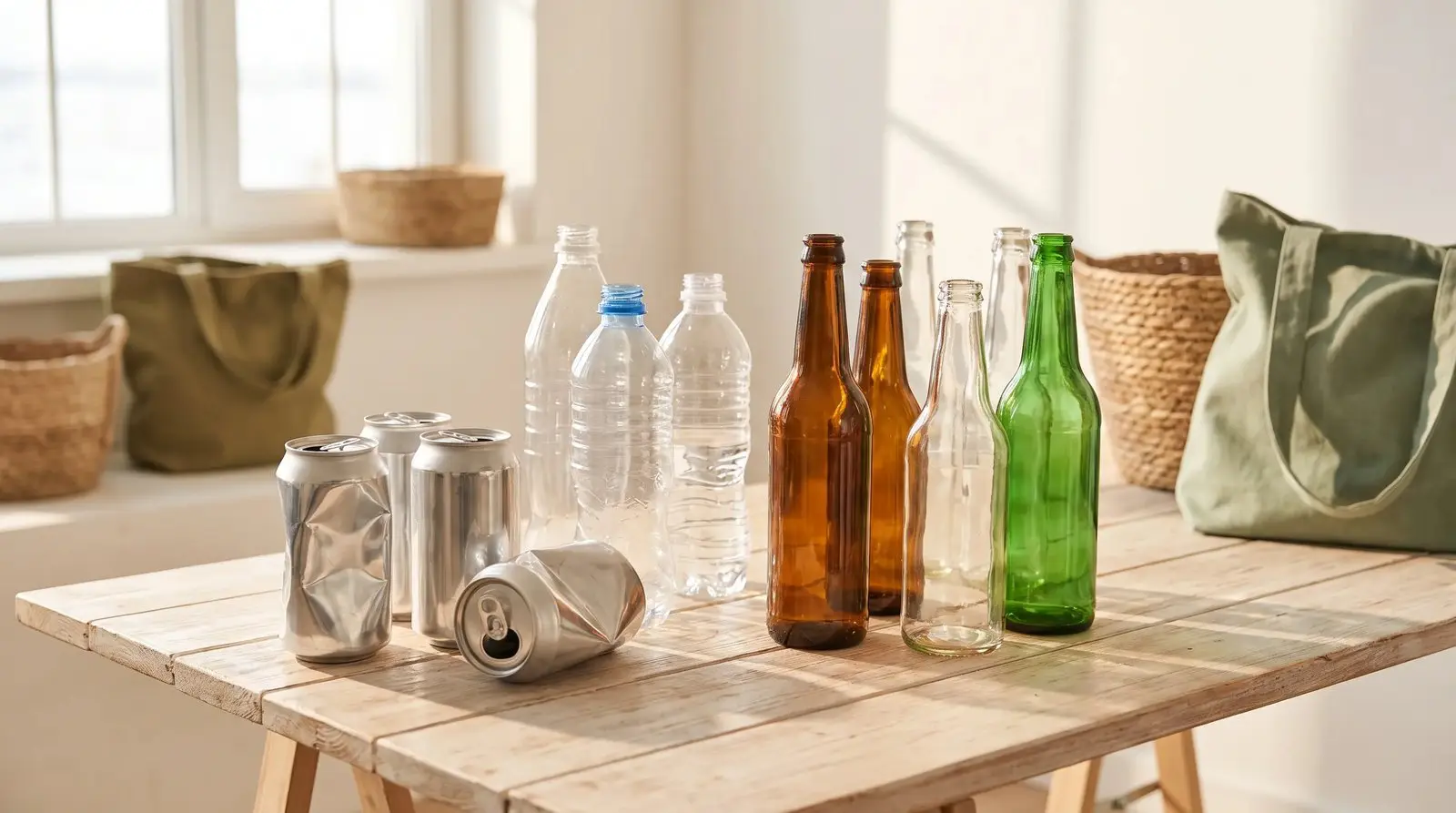
CRV stands for California Redemption Value. It is a deposit collected on most sealed beverage containers sold in the state. The consumer pays it at your register, and they can get that money back by redeeming the empty container at a recycling center. The point of the program is simple: putting a cash value on the empty gets containers recycled instead of landfilled.
What it is not: a tax. The money is not revenue for you and it is not a government charge on your business. It is a deposit passing through the chain, from distributor to retailer to consumer, and back to whoever returns the empty. Once you see it as a pass through, most of the confusion around it disappears.
The current CRV rates
Three numbers cover the whole program, and they are set by container size and type, not by what is inside:
- 5 cents per container under 24 ounces.
- 10 cents per container 24 ounces or larger.
- 25 cents for wine and distilled spirits in a box, bladder, or pouch, at any size. Boxed wine is the classic example.
These are the rates published by CalRecycle and they apply per container, so a 12 pack of cans carries 60 cents of CRV, and a 24 pack carries 1 dollar 20. On a mixed pallet of beverages the CRV line adds up fast, which is exactly why it should be itemized on your invoice rather than buried in the case price.
Which beverages carry CRV
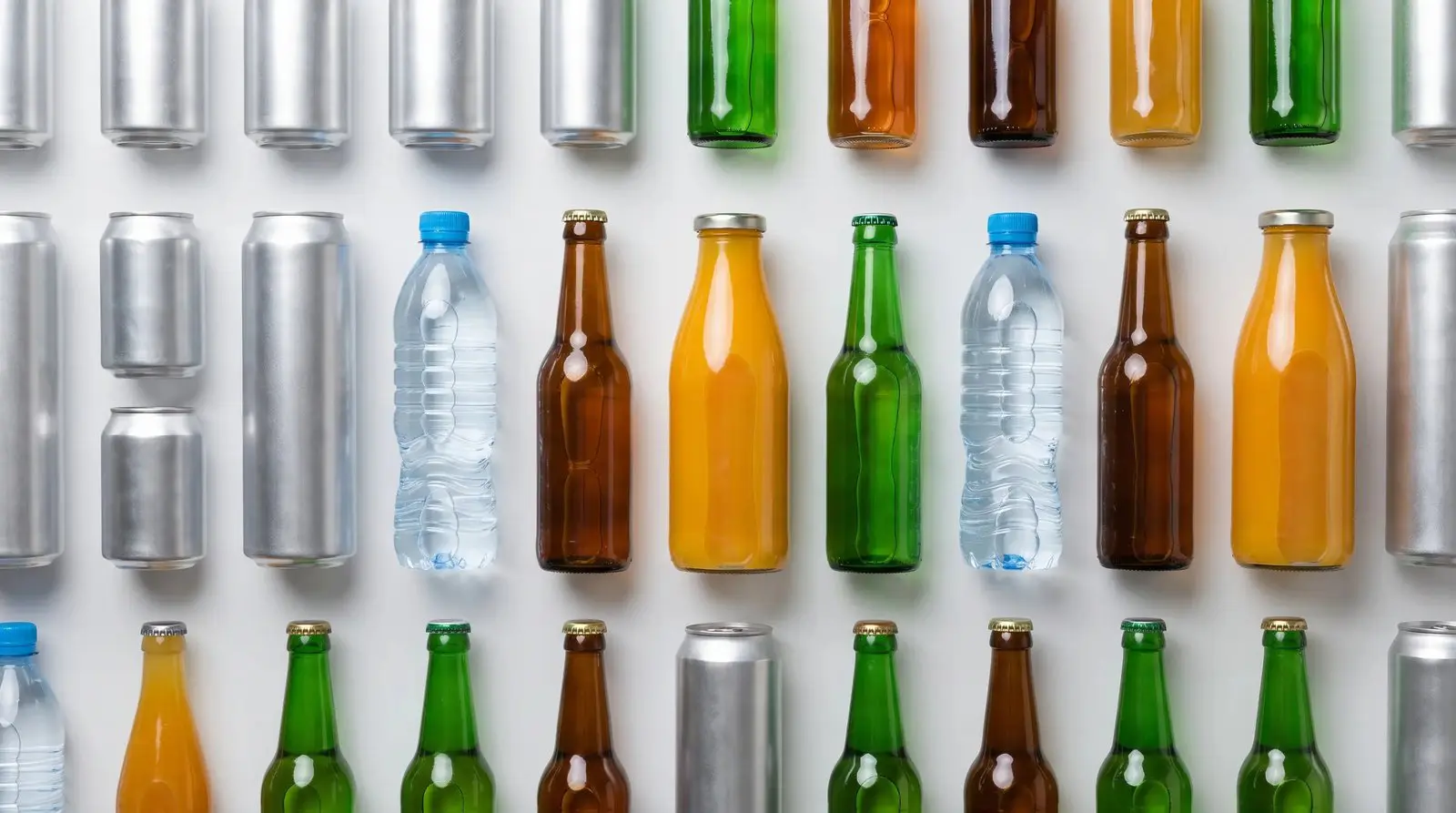
The easy rule of thumb: if it is a sealed, drinkable beverage in aluminum, glass, plastic, or a bimetal can, it almost certainly carries CRV. That covers the bulk of a typical cooler:
- Soda and sparkling drinks of every kind
- Still and sparkling water
- Energy drinks and sports drinks
- Juice and lemonade in bottles and cans, including the large sizes that were excluded years ago
- Bottled tea and coffee drinks
- Wine, spirits, and pre mixed cocktails, which joined the program in 2024
The notable exclusions: milk, infant formula, and medical food are out, and so is anything that is not a sealed beverage, like your fountain drinks, and non beverage containers generally. Juice boxes, juice pouches, and paper cartons are also outside the program. When in doubt, check the label for the CRV mark, with one caveat: containers added to the program recently may not show a CRV label until the labeling deadline passes in mid 2026, so a missing label on a newer category does not always mean no CRV.
What changed recently, and why your invoices look different
If you have been running a store for a decade, the program you learned is smaller than the program you are in now. Two expansions matter for retailers.
First, wine and distilled spirits entered the program on January 1, 2024. Glass wine bottles now carry CRV by size like any other container, and the box, bladder, and pouch formats carry the flat 25 cent rate. If you run a liquor store, that single change touched most of your shelf.
Second, the juice exclusions tightened up. Large fruit and vegetable juice containers that used to be exempt are now in the program, so juice invoices carry CRV lines that did not exist before. None of this requires action beyond what you already do, charge it and show it, but it explains why CRV totals on invoices have grown even where case prices did not.
Your actual obligations as a retailer
Strip away the statute language and the retail side of CRV comes down to three habits:
- Charge CRV on every eligible container you sell. It is not optional and it is not something you can absorb as a discount, because the deposit has to travel with the container.
- Show it clearly. The customer should be able to see the CRV amount, on the receipt, the shelf tag, or a posted sign. Transparency is the requirement; the deposit should never look like a hidden markup.
- Keep your invoices. Your distributor invoices, with CRV itemized, are your paper trail showing the deposit was paid at the wholesale level and passed through at retail. If the state ever asks questions, that stack of invoices is your answer.
Depending on your location, there can also be in store redemption obligations for retailers in areas without a convenient recycling center. The rules there depend on your specific site, so check your situation on CalRecycle’s beverage container program pages rather than assuming.
CRV and sales tax: the wrinkle that trips people up
Here is the detail that surprises almost every new store owner: when a beverage is subject to sales tax, tax applies to the CRV amount too. CRV is treated as part of the selling price of the drink, not as a separate deposit outside the transaction.
In practice: carbonated drinks are taxable in California, so the nickel or dime of CRV on a soda gets taxed right along with the soda. Plain still water and most juice are generally not taxable at retail, so their CRV is not taxed either. Your point of sale system should be doing this automatically, but it only does it correctly if items are flagged correctly, which is worth a spot check. When you price your cooler, remember our cooler stocking guide math: a shelf price that ignores CRV and tax on CRV is quietly thinner than it looks. For anything beyond the basics here, your accountant is the right stop.
Where your wholesaler fits in
When you buy from a distributor like us, the CRV chain starts on your wholesale invoice. Every eligible case we deliver has CRV itemized at the wholesale level, separate from the product price. You pay it to us with the order, then collect it back from your customers at retail, container by container. The deposit flows through you, not out of you.
That itemization is worth insisting on from any supplier you use. If CRV is blended invisibly into a case price, you cannot verify you were charged the right amount, your margins get harder to read, and your paper trail has a hole in it. It is also one of the quieter reasons cash and carry hauls are risky for a store: a shoebox of club store receipts is a much weaker audit trail than a stack of wholesale invoices with the deposit broken out. The mechanics of ordering from us, zones, minimums, and freight, are covered in our delivery guide.
Want invoices that do the CRV bookkeeping for you? Every eligible item we sell shows its CRV line automatically. Register for a wholesale account or ask us anything about how it appears on your invoice.

Common CRV mistakes we see in real stores
After hundreds of retail accounts, the same handful of errors keeps showing up:
- Pricing the cooler without CRV. The store eats a nickel or a dime per unit, all day, every day. Small per unit, large per year.
- Forgetting the 10 cent tier. Large formats at 24 ounces and up carry double the CRV of small ones, and stores that price everything as if it were a nickel leak on every big bottle.
- Not updating after the wine and spirits change. Liquor retailers still pricing off pre 2024 habits are behind on a whole wall of inventory.
- Absorbing CRV as a “discount” during promotions. The deposit is supposed to pass through even when the drink is on sale.
- Tossing invoices. The paper trail costs nothing to keep and is the first thing you want when a question comes up.
Frequently asked questions
What are the CRV rates right now?
5 cents per container under 24 ounces, 10 cents per container 24 ounces or more, and 25 cents for wine or spirits in a box, bladder, or pouch of any size. Those are the rates published by CalRecycle, per container, regardless of material.
Is CRV a tax?
No. It is a refundable deposit. The consumer pays it at your register and can get it back by redeeming the empty container. It only behaves like a tax in one narrow way: when the beverage itself is taxable, sales tax applies to the CRV amount too.
Do I charge CRV on drinks I sell cold for immediate drinking?
If it is a sealed eligible container, yes, CRV applies whether the customer drinks it in the parking lot or takes it home. Fountain drinks poured into a cup are not sealed containers and carry no CRV.
Which drinks are exempt from CRV?
Milk, infant formula, and medical food are the main beverage exemptions, along with juice boxes, pouches, and paper cartons, and anything that is not a sealed beverage container. Nearly everything else in a typical cooler, soda, water, energy, sports drinks, juice, tea, and coffee drinks, is in the program.
Does CRV apply when I buy wholesale?
Yes, that is where the chain starts. Your distributor charges you CRV, itemized on the invoice, and you collect it back from customers at retail. Keep those invoices; they are your proof the deposit moved through the system correctly.
Where do I check the official rules?
CalRecycle’s beverage container recycling pages are the authoritative source for rates, eligibility, and retailer obligations. For how CRV interacts with sales tax in your books, ask your accountant.
Keep it boring, keep the invoices
CRV is one of those things that should take up none of your week. Charge it on eligible containers, show it clearly, price your shelves with it in mind, and file your invoices. Everything hard about it happens upstream of your store, and a distributor who itemizes properly makes the retail side automatic.
If something on a CRV line does not make sense, email order@sodamanusa.com or reach us through the contact page and we will walk you through it. And when you are ready to stock, the full wholesale catalog is open, with every CRV line exactly where it should be.
This article is general information for California retailers, not legal or tax advice. Rates and program rules come from CalRecycle and can change; verify current details at calrecycle.ca.gov for edge cases.