
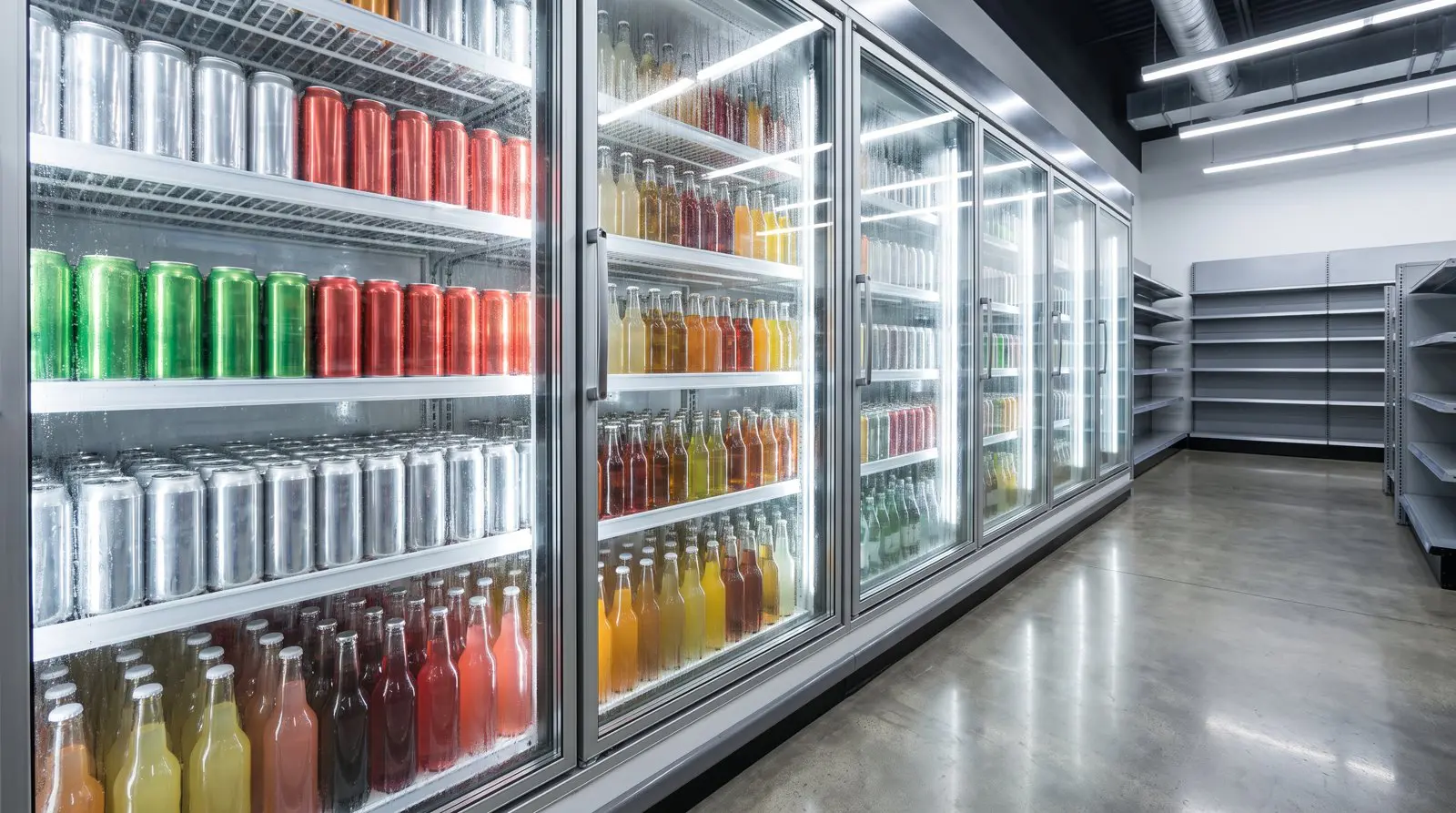
The beverage cooler is the highest velocity real estate in your store. Stocked well, it pulls people through the door on a Tuesday afternoon and sends them out with a bag of chips they did not plan on buying. Stocked lazily, it quietly leaks margin every day and nobody ever tells you why.
We stock coolers for a living. SodaMan USA supplies restaurants, markets, liquor stores, gas stations, offices, and gyms across Los Angeles out of our warehouse in South LA, and we ship by freight nationwide. The same handful of decisions keep separating the coolers that print money from the coolers that just sit there. Here is the playbook, in the order we would walk it with you in your store.
Short on time? Browse the wholesale soda catalog or the full shop and build your first case order. Questions on pricing or minimums? Talk to us.
Why the cooler earns more per square foot than anything else you sell
A cold drink is a purchase with almost no deliberation. Nobody comparison shops a bottle of cold soda. They are thirsty, they are in your store, and the decision takes four seconds. So the cooler is not really competing on price. It competes on availability, temperature, and visibility. Three things follow from that.
- Out of stock equals lost forever. An unplanned purchase does not get postponed. If their drink is not there, that sale never comes back.
- Cold beats everything. A warm bottle and a cold bottle are different products at different price points. Warm inventory that never rotates into cold space is dead money.
- Attachment is where the profit hides. Drinks pull customers to the back or to the register, and the basket grows on the way. Your cooler strategy and your chip and candy strategy are the same strategy.
The 60 30 10 rule for building your cooler mix
This is the framework we give every new wholesale account, and it holds from a small market in Boyle Heights to a twelve door cooler on the 405.
60 percent proven movers
Six out of ten facings belong to the drinks people walk in already intending to buy. Cola, diet cola, lemon lime, orange, root beer, the big energy drink brands, bottled water. Not exciting, not your best margin, but the reason people come in. Never be out of them.
30 percent regional and specialty
Three out of ten facings should be drinks your competitor down the street does not carry. Glass bottle Mexican sodas, craft root beer, imported sparkling lemonades, juices, bottled teas and coffees. This is where your margin lives. A regular who discovers a flavor at your place and cannot find it anywhere else is a regular for years.
10 percent rotation
Keep half a shelf as a permanent test bed. Bring in something new every month from the new items list, give it a real facing, and let four weeks of sales decide whether it earns a permanent slot. Most will not. The ones that do are how your mix keeps improving instead of going stale.
The trap is letting the 60 creep to 85 because it feels safe. An all national brand cooler competes purely on price with every gas station in a two mile radius, and that is a fight nobody wins.
Placement: eye level is buy level
Here is the part most stores get backwards. The instinct is to put your best sellers at eye level. Do not. Put your best margin products at eye level and let the best sellers sit lower. A cola drinker will squat and reach behind another bottle for their brand, so stop spending prime space on that loyalty. Impulse buyers grab whatever is in their sightline.
Practical placement rules
- Eye level, roughly 4 to 5 feet: specialty and premium glass bottles, new items, the flavors you want people to discover.
- Second shelf down: your fastest national brand movers. Easy to see, easy to grab, easy to restock.
- Waist and knee level: multipacks, larger formats, value sizes, and anything a customer is already searching for by name.
- Top shelf: lighter, taller items and slow movers. Never a heavy multipack.
- Door edges: the first facing a customer sees when the door swings is prime. Treat it like an endcap.
Block by category, and face it daily
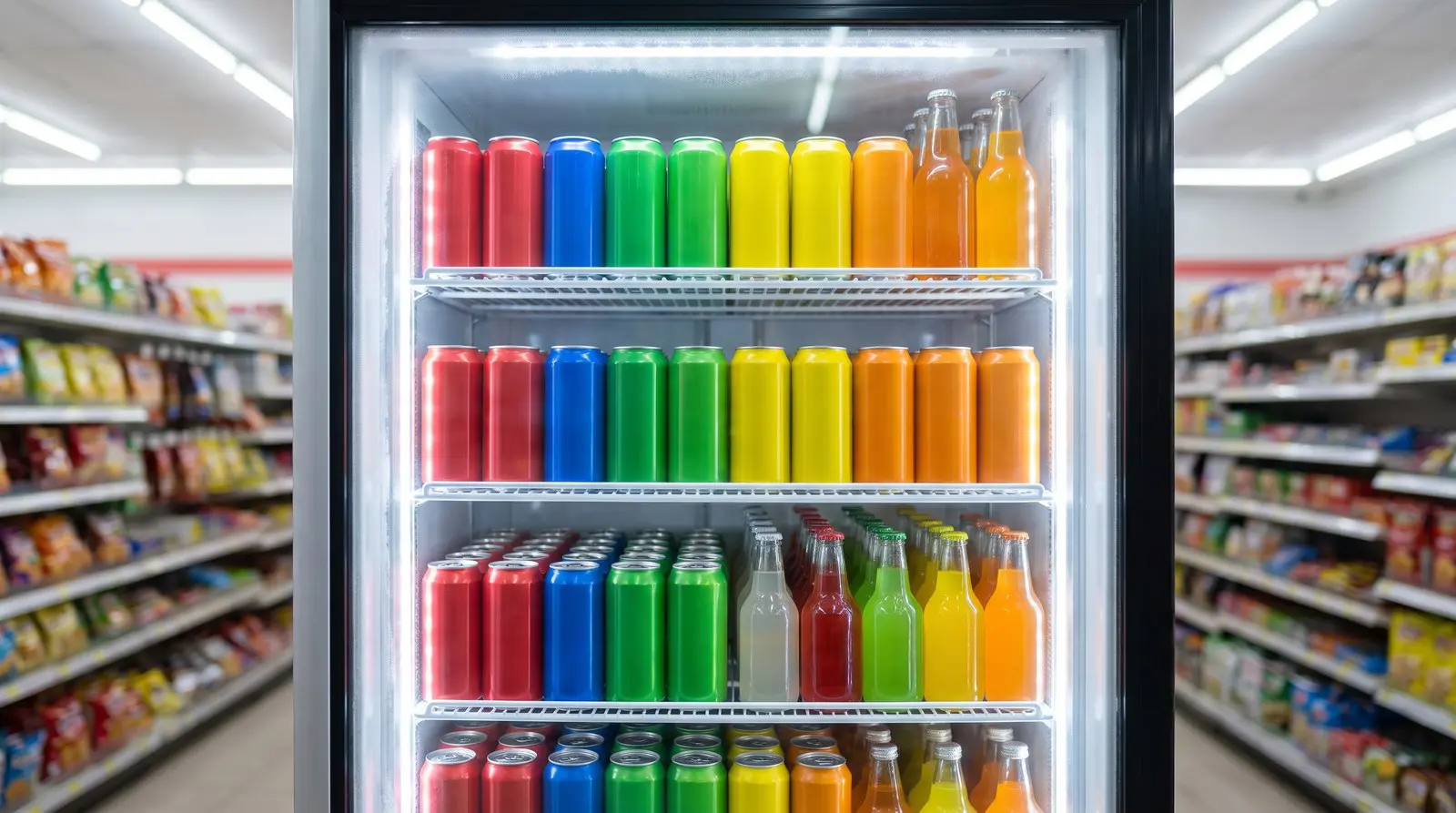
Customers shop by what they want to drink, not by who made it. Group all your citrus together, all your colas together, all your waters together, and let the color do the merchandising. A run of bright orange, red, and green glass bottles stops people cold. A random scatter reads as clutter and gets ignored.
Then face it. Pulling every bottle forward so the front row is flush takes about six minutes per door, and it belongs in your open and close routine. A faced cooler looks full at seventy percent inventory. An unfaced one looks picked over even when it is packed.
Buying wholesale: the case math that makes it all work
Everything above assumes you can actually keep the cooler full without blowing your day or your budget. That comes down to how you buy.
Why cash and carry quietly costs more
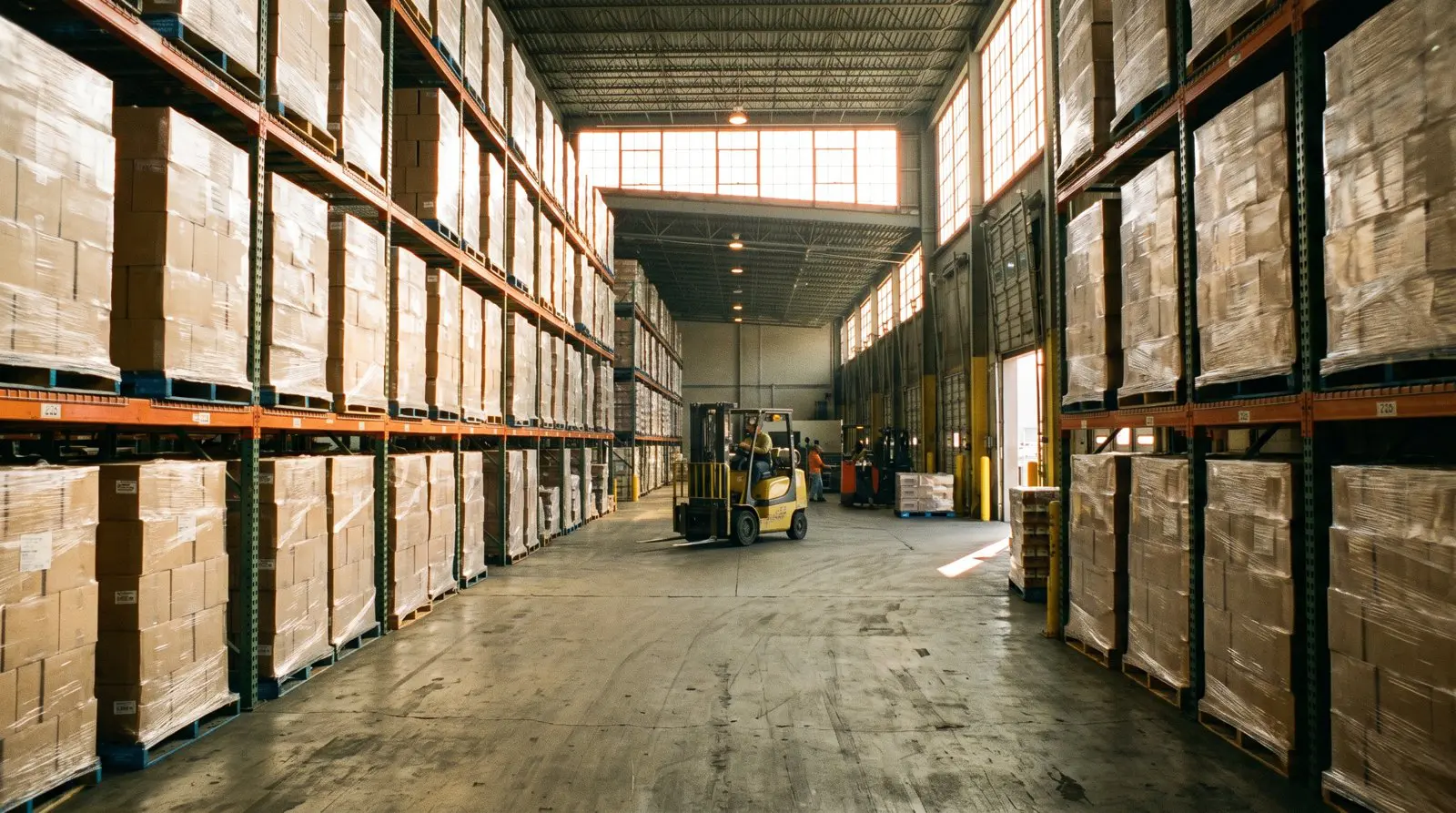
Driving to a club store, waiting in line, loading a van, and driving back is not free just because it never appears on an invoice. Count the fuel, the hours, and the wage of whoever went. Then add the real killer: you buy what fits in the van, not what the cooler needs. Scheduled wholesale delivery removes the whole cycle.
Why order minimums exist
Minimums get a bad reputation, but they keep wholesale prices low. A truck, a driver, and a tank of fuel cost the same whether we bring you three cases or forty. Case minimums hold that cost in one place instead of padding every item to cover small drops. One larger weekly order beats three small ones almost every time.
Do not forget CRV in your retail pricing
In California the redemption value is itemized on your wholesale invoice and passed through at retail. Set shelf prices without accounting for it and you are eating it. Our CRV guide for California retailers is a ten minute read worth having.
Check your delivery zone before you plan anything
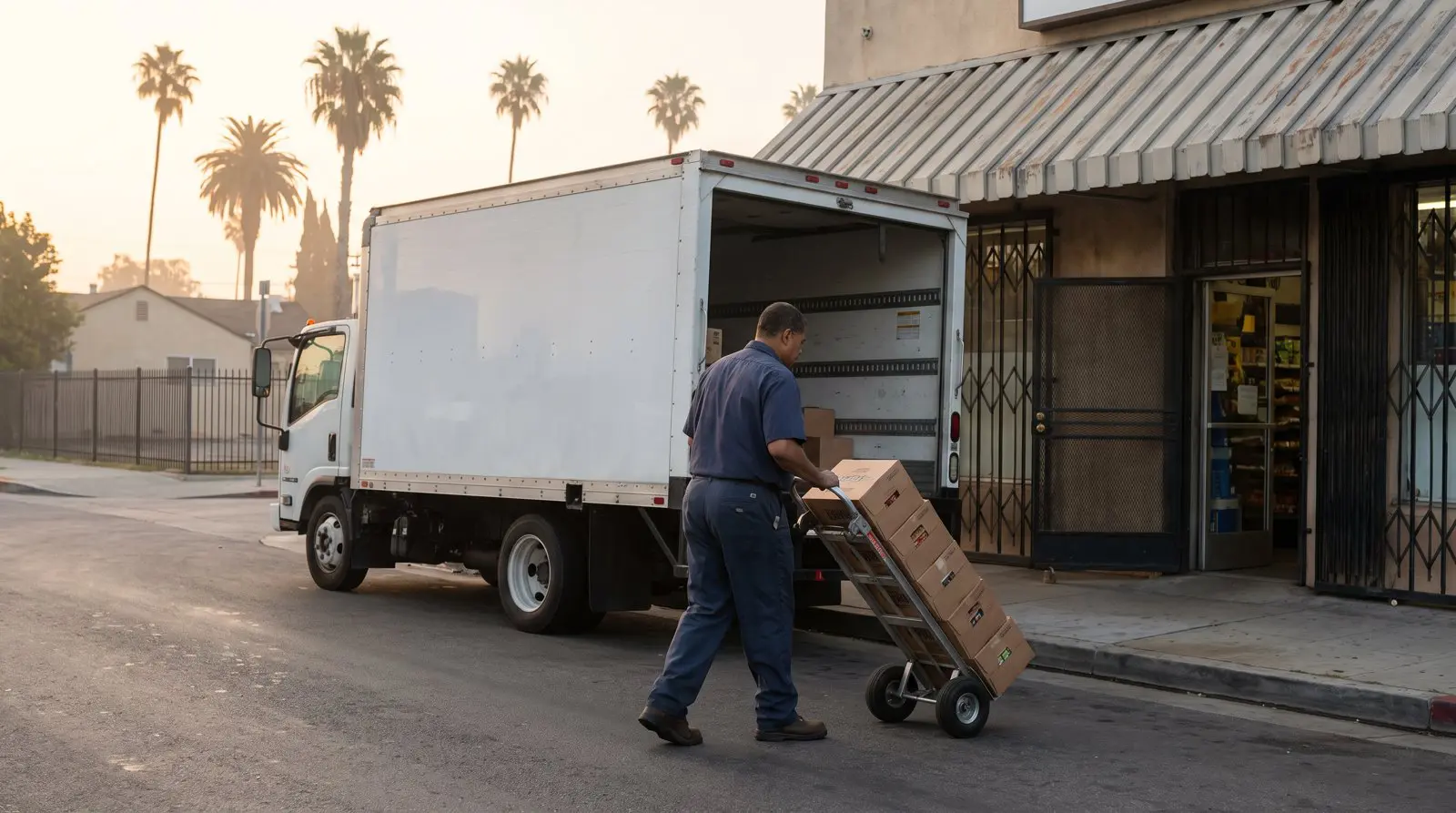
Local delivery runs on our own trucks out of South Los Angeles. Beyond that radius we ship LTL freight on wrapped pallets nationwide. Enter your ZIP in the checker at the bottom of any page to see your zone and minimum instantly. Full breakdown in our post on delivery zones, minimums, and freight.
Keeping it full: par levels, standing orders, and rotation
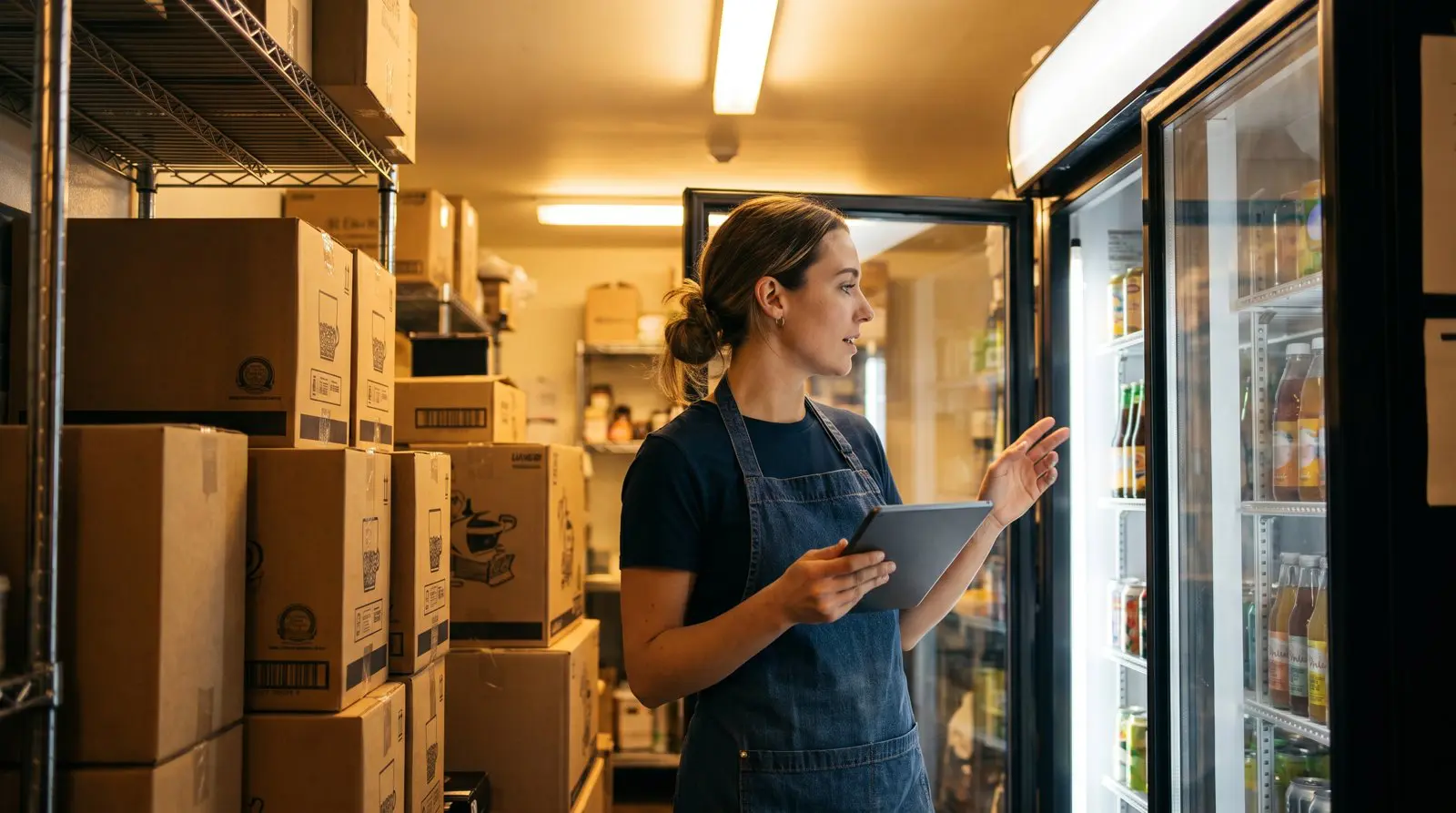
A great cooler mix falls apart in three weeks without a restocking system. The system does not need to be complicated. It needs to be written down.
Set a par level for every facing
A par level is the number of units that should sit behind each facing when the week starts. Walk the cooler once, write a number on a shelf map or a phone note, and from then on ordering is subtraction instead of guesswork. Whoever is on shift can do it, which is the whole point.
Build a standing order for the boring stuff
Your top fifteen or twenty items barely change week to week. Put them on a standing order, then spend your attention on the specialty and rotation slots where the decisions actually matter. Most of our regular accounts run a fixed base order plus a short weekly adjustment.
Rotate first in, first out, and never leave a hole
New stock goes behind, old stock comes forward. Ninety extra seconds per shelf is the difference between a cooler that never has a stale date and one that surprises you with a case of expired juice in November. Soda is forgiving. Juice, tea, and coffee drinks are not.
And if you are waiting on a delivery, spread the neighboring product across the gap instead of leaving an empty row. An empty row costs you twice: the missed sale, and the impression that nobody is running the store.
A category checklist for a well rounded cooler
If you want a starting point you can walk into your store and check against today, here is the shape of a cooler that covers almost every customer who walks in:
- Colas and classics: regular, diet, zero sugar, lemon lime, orange, root beer. See the soda category.
- Glass bottle specialty: Mexican sodas, craft root beer and cream soda, imported sparklers. Your margin engine.
- Energy: two or three leading energy drinks plus a sugar free option. Enormous velocity near a register.
- Water: single serve and multipack. See still and sparkling water.
- Sports and hydration: the classics plus an electrolyte option. Browse sports and hydration drinks.
- Juice, tea, and coffee: a couple of strong sellers each. See juice and lemonade and tea, coffee, and matcha.
- Better for you: at least one prebiotic soda and one coconut water. Small footprint, growing demand.
- Mixers: if you sell alcohol, tonic, club soda, and ginger beer are not optional.
Want this built for you? Send us your store type and cooler door count through the contact page and we will put together a starting case list. Ready to buy at wholesale pricing? Open a wholesale account.
Frequently asked questions
How many SKUs should a small store carry in its beverage cooler?
For a single door, thirty to forty distinct items is comfortable. For three or four doors, sixty to ninety. The number matters less than the ratio: going deep on twelve winners beats going shallow on eighty items, because depth is what keeps you in stock on the drinks people came in for.
Do I need a wholesale account to buy from SodaMan USA?
Yes for wholesale pricing. Start on the wholesale registration page, and once approved you will see account pricing across the full catalog of more than two thousand beverages and snacks. The B2B wholesale page covers how it works.
What is the minimum order and do you deliver to my area?
Minimums depend on your delivery zone. Enter your ZIP in the checker at the bottom of any page and it will tell you your zone and minimum instantly. Local orders around Los Angeles come on our own trucks. Outside that radius we ship LTL freight nationwide with quotes calculated at checkout.
How often should I reorder?
Weekly is the sweet spot for most retail and restaurant accounts. It keeps par levels tight without tying up your back room or your cash. High volume locations often go twice a week. Offices and gyms usually do fine every two weeks.
Which drinks give a small store the best margin?
Glass bottle specialty sodas are consistently the strongest margin per slot. They retail at a premium and customers do not have a reference price memorized the way they do for a national brand twelve pack. Prebiotic and functional sodas are close behind and growing fast.
Can you help me plan the cooler layout?
We do it constantly for accounts across LA. Send your store type, neighborhood, and cooler door count through the contact form and we will come back with a mix and a starting order, at no charge.
Start with one door
Do not rebuild the whole cooler this week. Pick your busiest door, apply the 60 30 10 split, move your best margin items to eye level, write a par level for every facing, and put your top movers on a standing order. Give it a month, then compare that door against the ones you did not touch. The difference usually sells the rest of the rebuild for you.
When you are ready to stock it, start in the soda category, add your chips and candy to the same order, browse every category for the full picture, and check your ZIP in the footer. If you would rather talk it through with someone who knows the catalog, get in touch.