
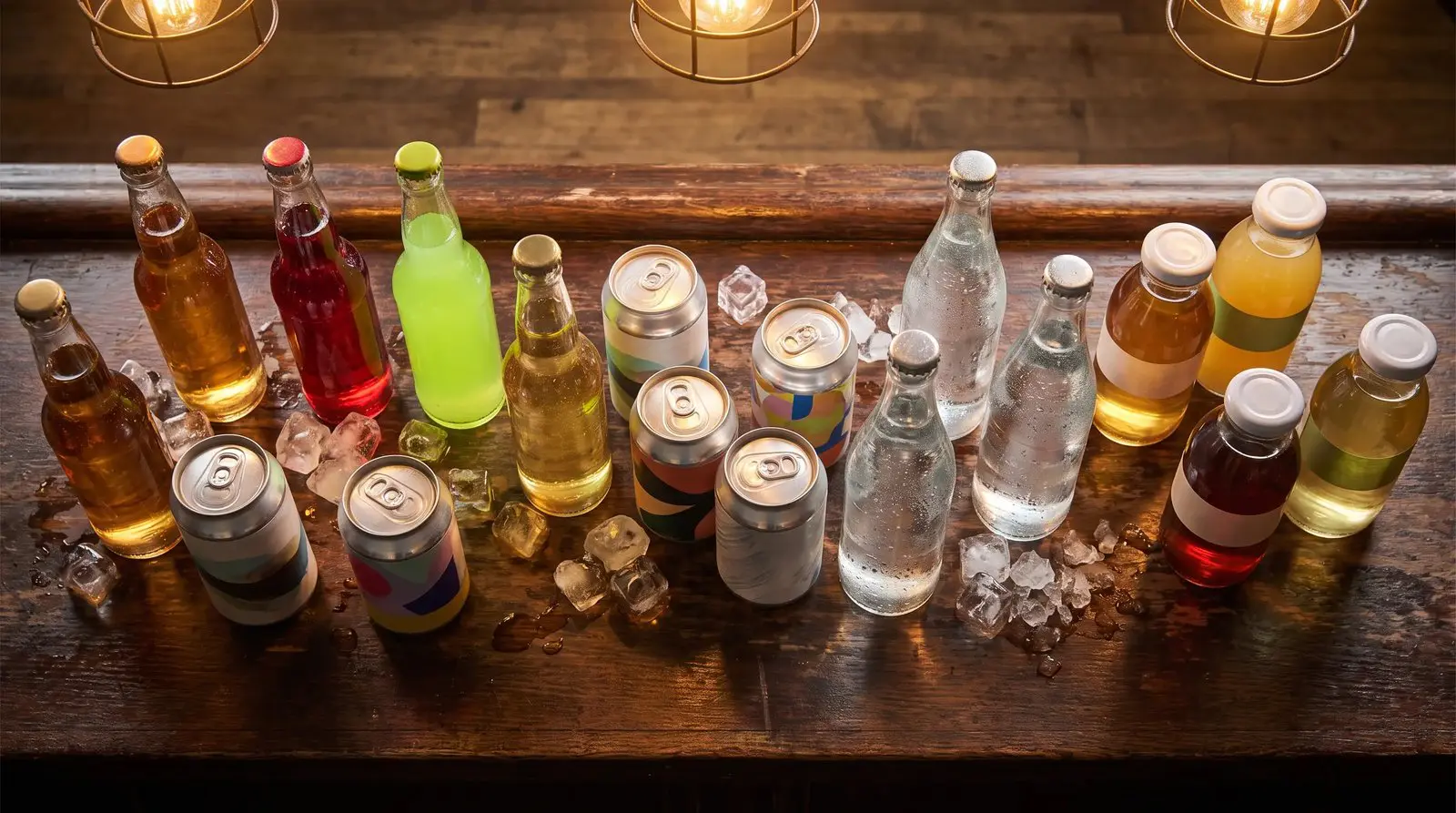
Beverages are the best margin line on most restaurant menus, and most operators spend less time on the drink list than on the salt level of one appetizer. The kitchen gets engineering. The drinks get whatever the last distributor rep suggested. That gap is money, because a drink costs you a dollar or two, sells for three to six, needs no prep, no cook, and no ticket time.
We supply restaurants across Los Angeles out of our warehouse in South LA, which means we see hundreds of drink lists and, more usefully, the reorder data behind them. What actually sells is remarkably consistent from concept to concept. Here is the lineup that keeps working, why each layer is there, and how to run it without adding a single vendor headache.
Building a drink list right now? Browse the wholesale soda catalog and the full range, or tell us your concept and we will draft a starting lineup for you.
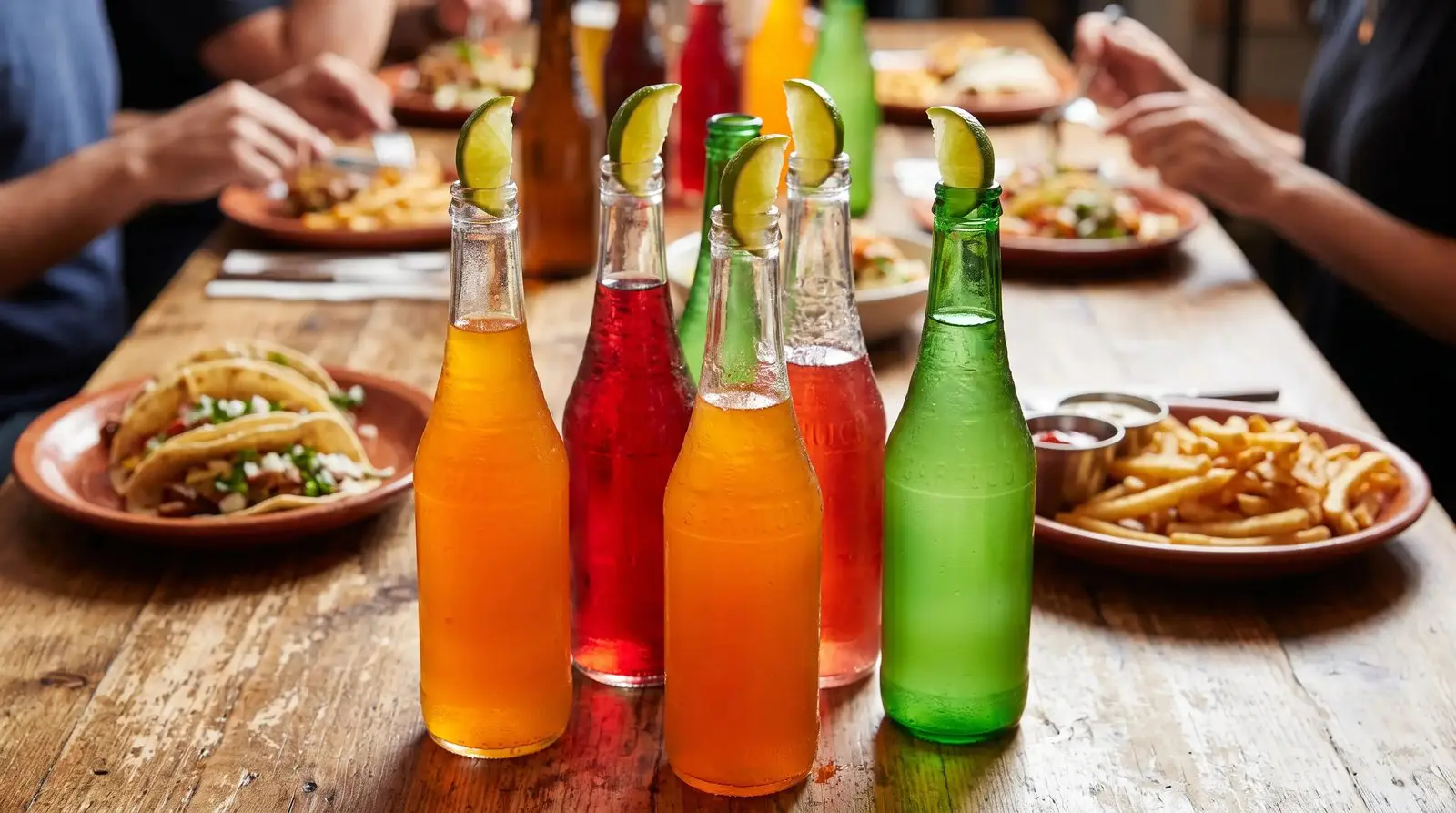
Drinks are your best margin line. Treat them like it
Run the numbers on your own menu. A burger carries food cost, labor, and ticket time. A cold bottled drink carries none of that: it goes from the cooler to the table in ten seconds and the margin is clean. When a four top adds four drinks, that is pure contribution with zero extra kitchen load.
The drink list also does quiet jobs the kitchen cannot. It sets the check average, it photographs well, and it is the cheapest thing on the menu to change. Swapping four drink SKUs costs a case order. Swapping four dishes costs a menu reprint and a week of retraining. So the drink list is where you should experiment most, and it is usually where operators experiment least.
One more free lever: train the question. “Anything to drink?” gets a shrug. “Can I bring you a Mexican Coke or a sparkling lemonade?” names two products and sells one of them a surprising amount of the time. Your servers already ask about drinks at every table; the only change is giving them something specific to say.
The non negotiables: the four you can never run out of
Cola, diet cola, lemon lime, and a quality sparkling water. Those four cover the majority of drink orders in almost every concept we supply, and they are the ones guests order by reflex without opening a menu.
Two rules for this layer. First, buy them by the case at wholesale and keep a real par level, because nothing looks worse than a restaurant that is out of Coke on a Friday night. A guest forgives a special running out. Nobody forgives the basics. Second, do not overthink it. This layer is not where your margin or your personality lives. It is table stakes, and its only job is to never be missing.
A practical par to start with: enough of each of the four to cover your busiest week, plus one spare case. Count what is left on the same day each week and reorder the difference. That is the entire system, and it is enough to make a stockout on the basics essentially impossible.
The margin makers: glass bottles that turn 3 dollars into 6
Glass is where the drink list starts earning like a menu item. Mexican colas in glass, Jarritos style fruit sodas, craft root beer, imported sparkling lemonades. The same guest who hesitates at a 3 dollar fountain refill happily pays 5 or 6 for a cold glass bottle, because it reads as a product, not a pour.
Glass earns that premium three ways:
- It merchandises itself. A bright bottle on the table is visible from four tables away and shows up in customer photos. It is the only advertising you will ever get paid to run.
- It has no reference price. Everyone knows what a can of national brand cola should cost. Nobody has a memorized price for an imported sparkling lemonade, so the menu sets the anchor.
- Per unit margin beats fountain once you count syrup, CO2, cups, lids, straws, waste, and the machine service contract that fountain quietly drags along.
Start with four to six glass SKUs from the soda catalog, give them a named section on the menu instead of burying them under “bottled drinks,” and watch which two move. Depth on winners beats breadth every time.
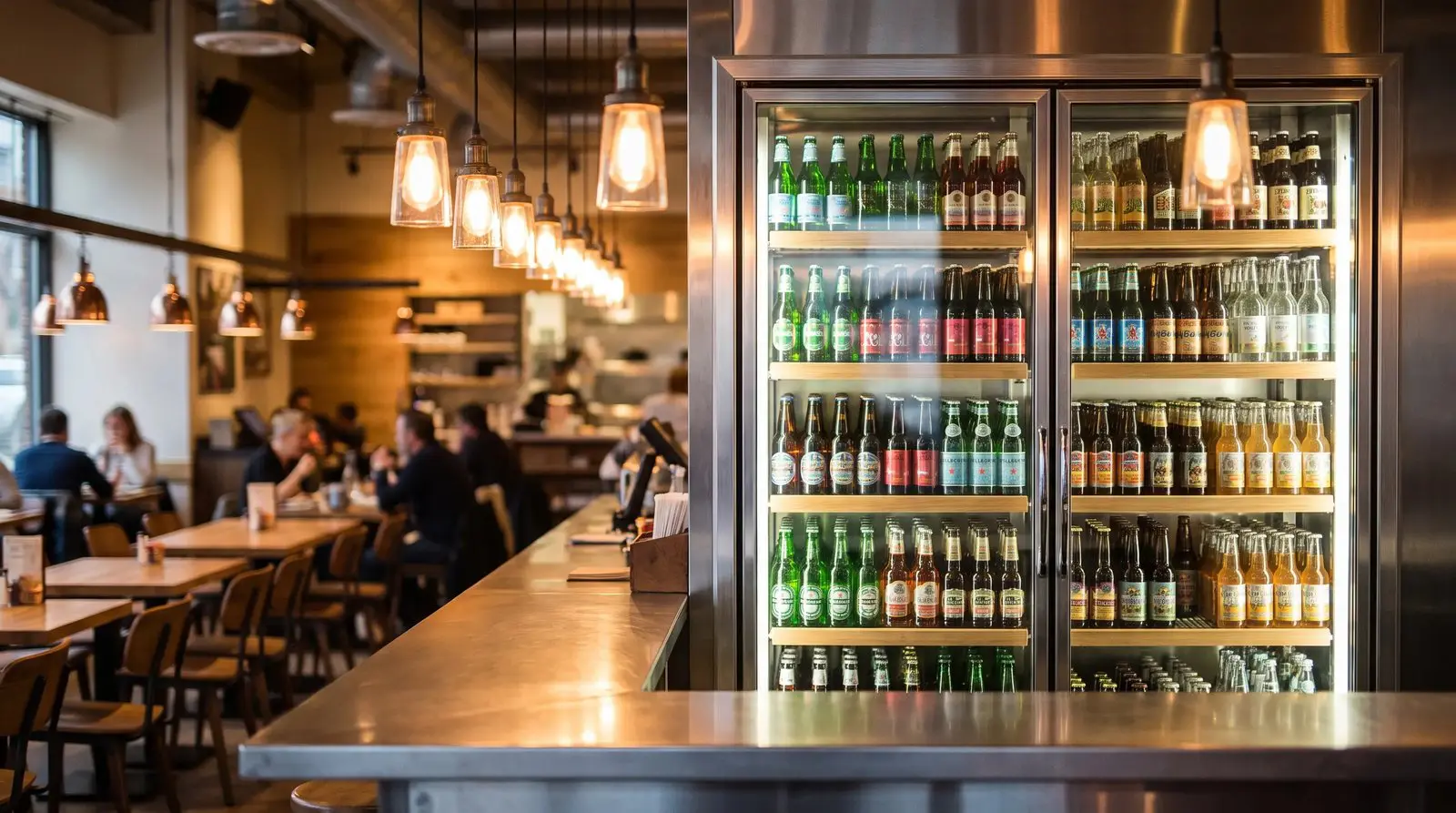
The dietary spread: make sure nobody at the table orders nothing
The worst drink order at any table is no drink at all, and in 2026 that is usually what happens when the list ignores the guest who is off sugar, off caffeine, or off alcohol. You are not building a health food store. You are making sure every seat at the table has an easy yes.
The checklist is short: a zero sugar option beyond diet cola, at least one prebiotic or functional soda, coconut water or another clean hydration option from the sports and hydration range, a still water bottle, and something from the juice and lemonade or tea and coffee shelf. One of each is enough. This layer is about coverage, not depth, and the functional category in particular is growing fast enough that it often surprises operators by becoming a top seller.
If you pour alcohol, the same logic extends to your mixers: tonic, club soda, and ginger beer by the case, plus glass sodas that double as the base of a zero proof list you can price like a cocktail.
Match the lineup to your menu
The final layer is the one that makes the drink list feel designed instead of stocked. Drinks are the cheapest way to reinforce what your kitchen is already saying.
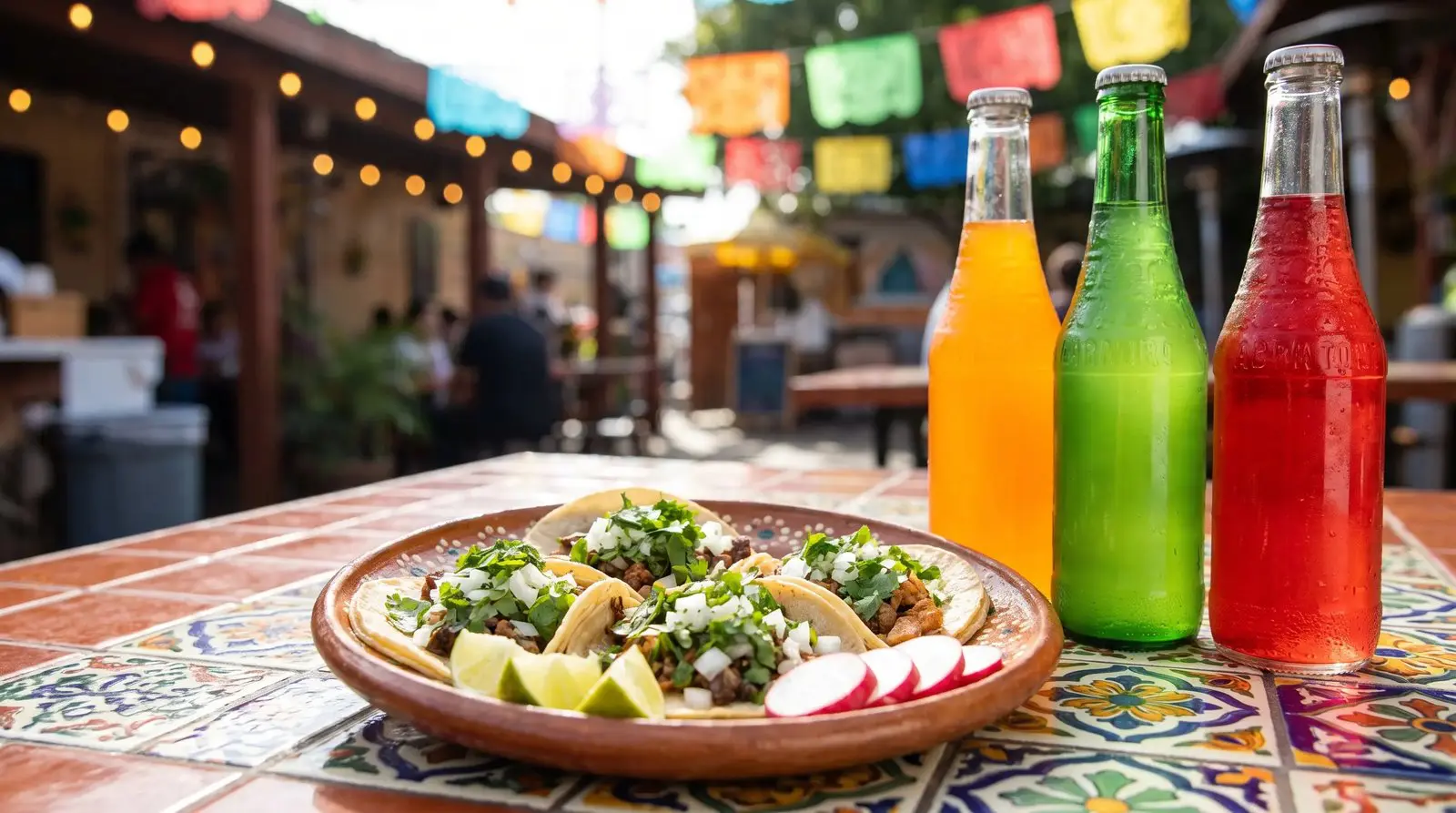
- Taco spot or Mexican concept: go deep on Mexican glass sodas and aguas frescas style flavors. Guests expect them, order doubles, and post them.
- Burger joint: craft root beer and cream soda in glass. Root beer next to a burger outsells root beer anywhere else.
- Pizza and Italian: Italian sparkling sodas and a sharp sparkling lemonade next to the cola.
- Asian concepts: imported teas, lychee and yuzu flavors, and a strong unsweetened option from the tea and coffee shelf.
- Cafes and fast casual: lean into functional sodas and sparkling waters, where your daytime crowd already lives.
Two or three concept drinks are plenty. They exist to make the menu feel intentional and to give regulars something they cannot get down the street.
How many SKUs you actually need
Twelve to eighteen covers almost every restaurant: four non negotiables, four to six glass margin makers, four or five dietary coverage picks, and two or three concept drinks. Past twenty, the list stops being curated and starts being inventory, and slow movers age in your backroom while tying up cash.
Review it monthly with a two minute rule: anything that has not sold a case in a month loses its slot to something new from the new items list. Keep the winners, rotate the rest, and your menu quietly improves every month for the cost of one case order. Our cooler stocking guide goes deeper on placement and par levels if you also run a retail cooler.
Run it on one supplier and one weekly drop
The operational side is where most beverage programs quietly die. Five specialty drinks from four different vendors means four invoices, four minimums, four delivery windows, and a manager playing phone tag over a missing case of lemonade.
Consolidate instead. We stock more than two thousand beverages and snacks at wholesale prices and deliver across Los Angeles on our own trucks, so the entire lineup above, plus your chips and candy if you retail any, lands in one weekly drop with one invoice. Set par levels for your top movers, put them on a standing order, and adjust the specialty slots week to week. Outside LA, we ship LTL freight on wrapped pallets; the full mechanics are in our post on delivery zones, minimums, and freight. And if you are pricing drinks in California, remember CRV in your menu math; our CRV quick guide covers it.
Want your lineup built for you? Send your concept and seat count through the contact page and we will put together a starting case list, no charge. Ready to order? Open a wholesale account.
Frequently asked questions
What drinks should every restaurant carry?
Four non negotiables: cola, diet cola, lemon lime, and a quality sparkling water. From there, add four to six glass bottle specialty sodas for margin, one option each for zero sugar, functional, hydration, and still water, and two or three drinks that match your concept.
Are bottled drinks better than fountain for a restaurant?
For most independent restaurants, yes. Bottles need no machine, no syrup contract, no cleaning, and no cups or lids, and glass bottles sell at a premium fountain can never touch. Fountain still makes sense for high volume fast food with free refills, but that is a different business model.
How much margin do restaurants make on beverages?
Packaged drinks typically cost a restaurant one to two dollars per unit wholesale and sell for three to six, with glass bottle specialty sodas at the top of that range. Exact numbers depend on your menu pricing, but drinks reliably out margin nearly everything the kitchen makes once labor is counted.
How many drink SKUs is too many?
Past about twenty, curation turns into clutter. Twelve to eighteen well chosen SKUs with real depth on the winners beats thirty shallow ones, keeps cash out of your backroom, and makes reordering a two minute job.
Do I need a wholesale account to buy from SodaMan USA?
Yes for wholesale pricing. Start on the wholesale registration page, and once approved you get account pricing across the full catalog. The B2B wholesale page explains how the program works.
Do you deliver to restaurants outside Los Angeles?
Yes. Local zones around LA get our own trucks. Beyond that we ship LTL freight on wrapped pallets nationwide, with quotes calculated at checkout. Enter your ZIP in the checker at the bottom of any page to see which applies to you.
Build it once, then tweak it monthly
Set the four non negotiables on a standing order, pick your glass bottle section, cover the dietary bases, add two concept drinks, and put the whole thing on one weekly delivery. That is an afternoon of decisions for a line item that out margins your kitchen every single day.
Start in the soda catalog, browse every category for the full picture, and if you would rather talk it through with someone who sees a few hundred drink lists a year, get in touch or email order@sodamanusa.com.